

Greece and Wine
Greece has a long winemaking tradition and a wide range of grape varieties. In a competitive market, wineries need not only a strong product but also a clear and professional visual presentation.
The bottle, closure and label are all part of the product’s identity. Professional wine photography needs to reproduce these elements accurately while controlling reflections, colour and transparency.
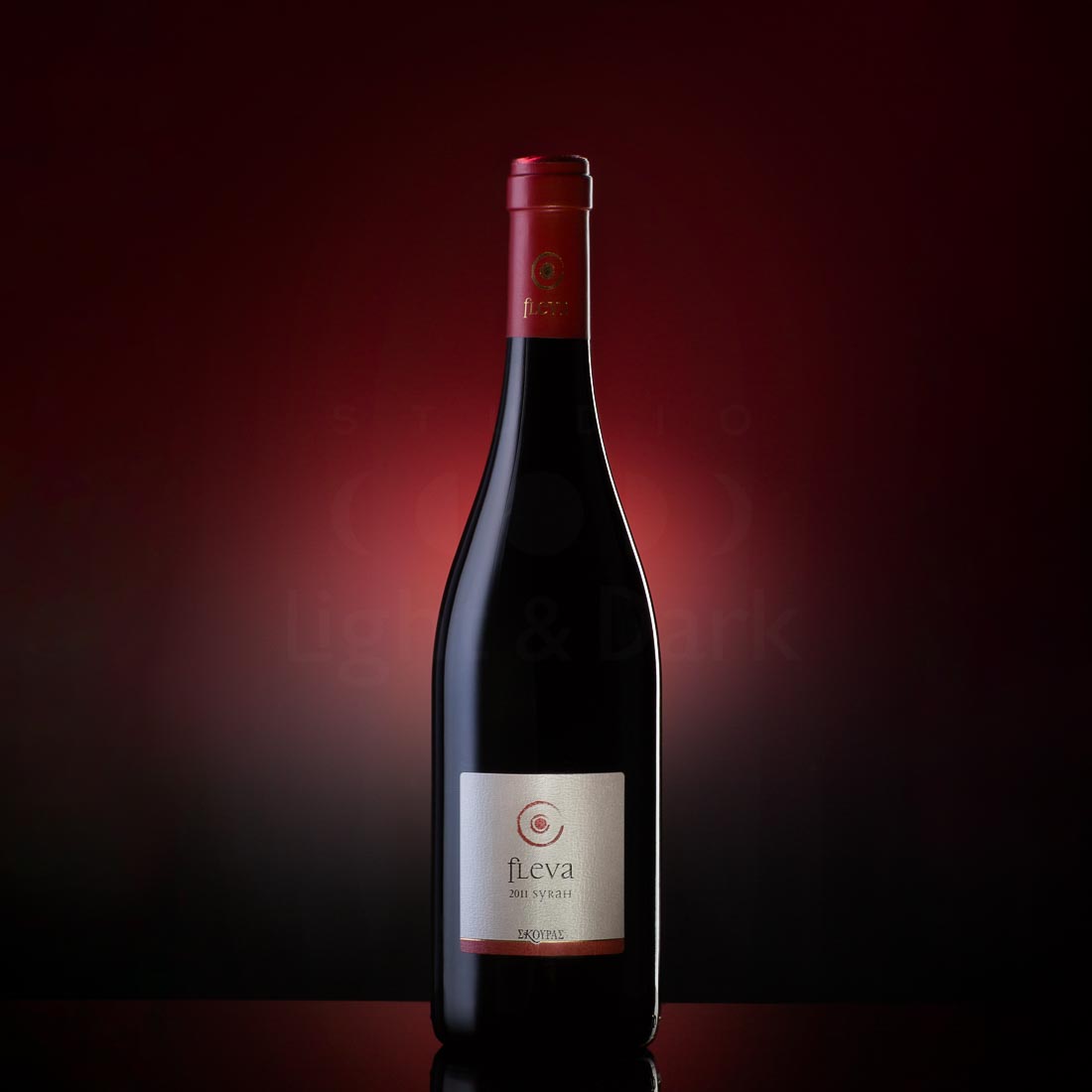 Wine Photography: Essential Requirements
Wine bottle photography requires careful product preparation, controlled lighting, attention to detail and professional post-production. Glass, metallic foil, printed labels and the colour of the wine all react differently to light, so a standard product setup is not always enough.
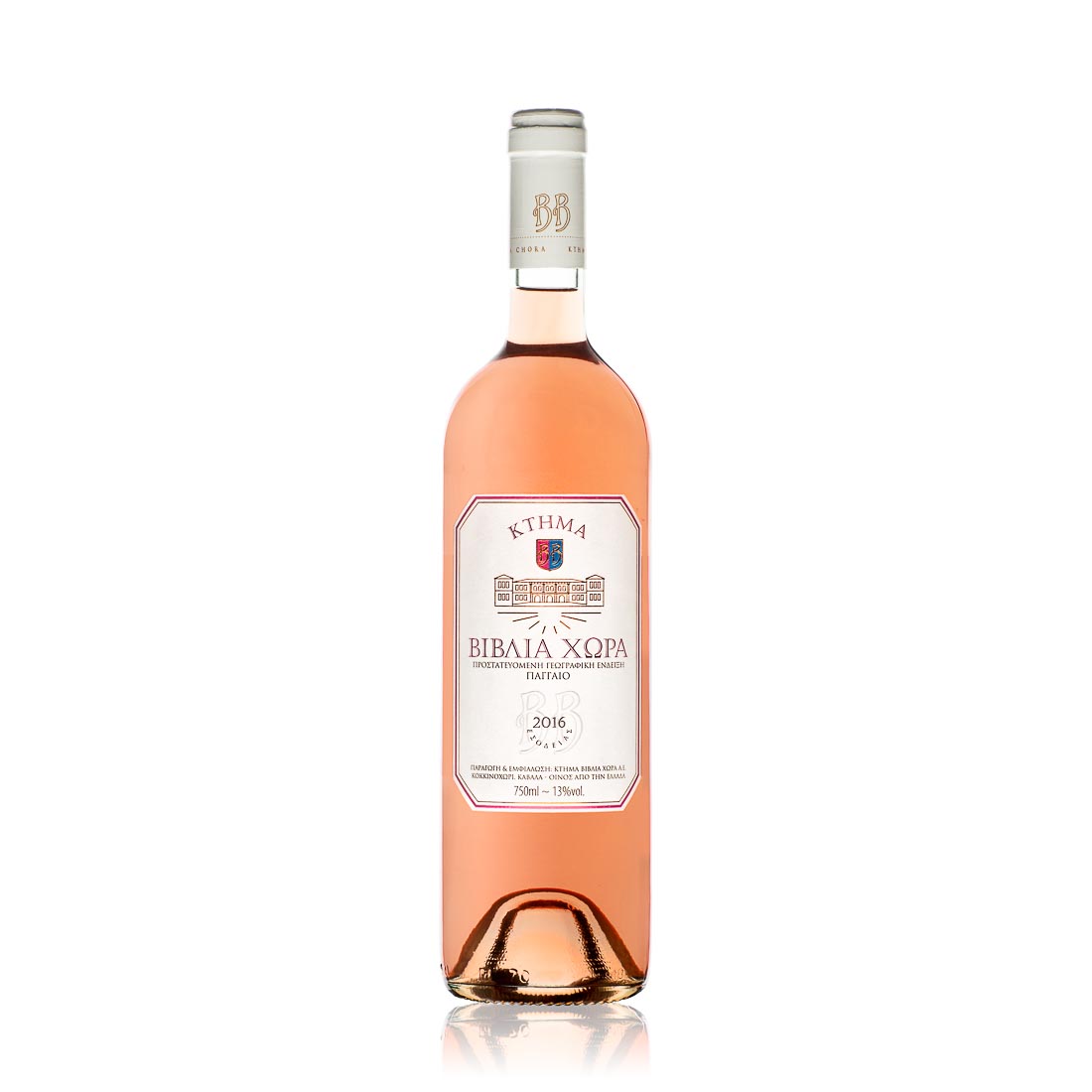
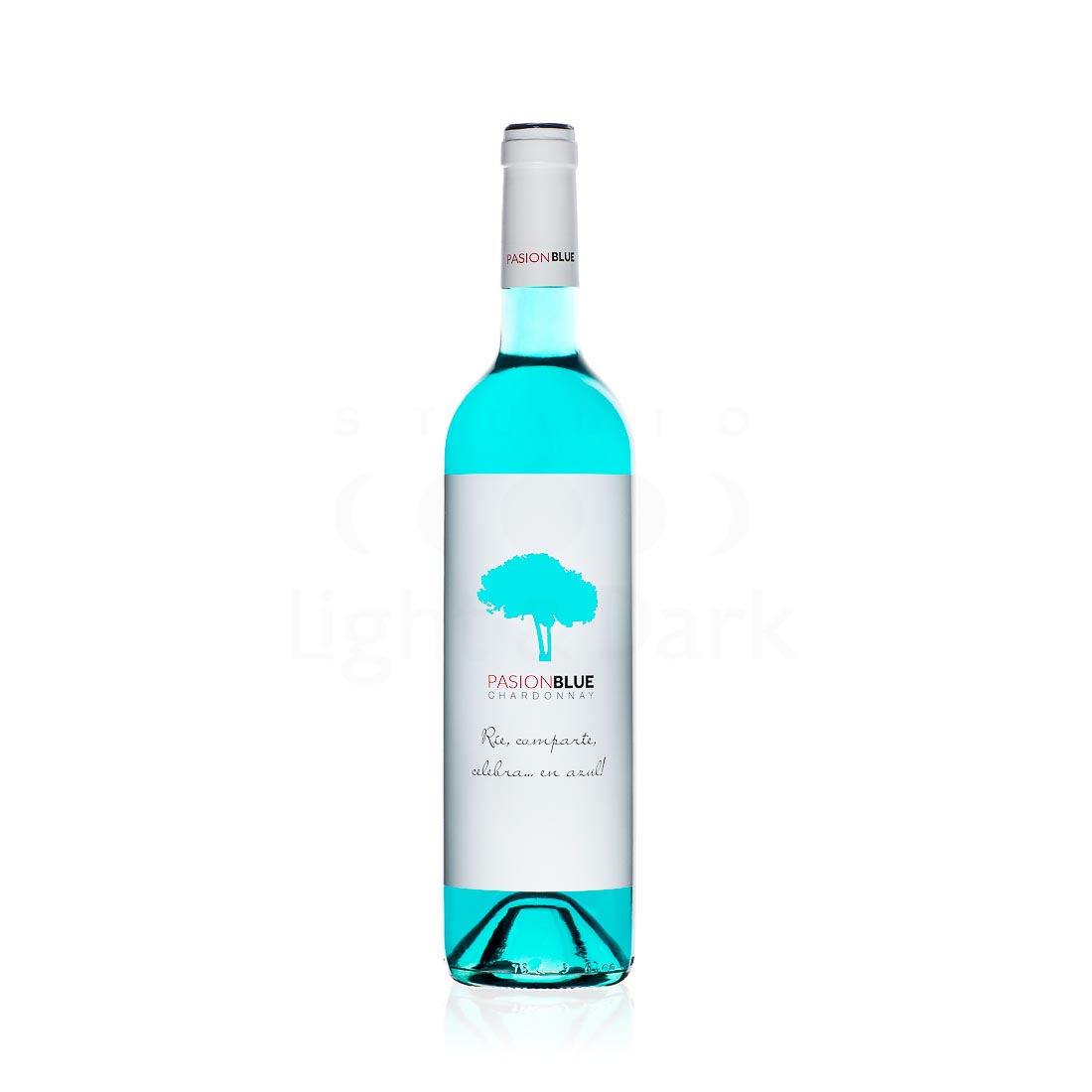
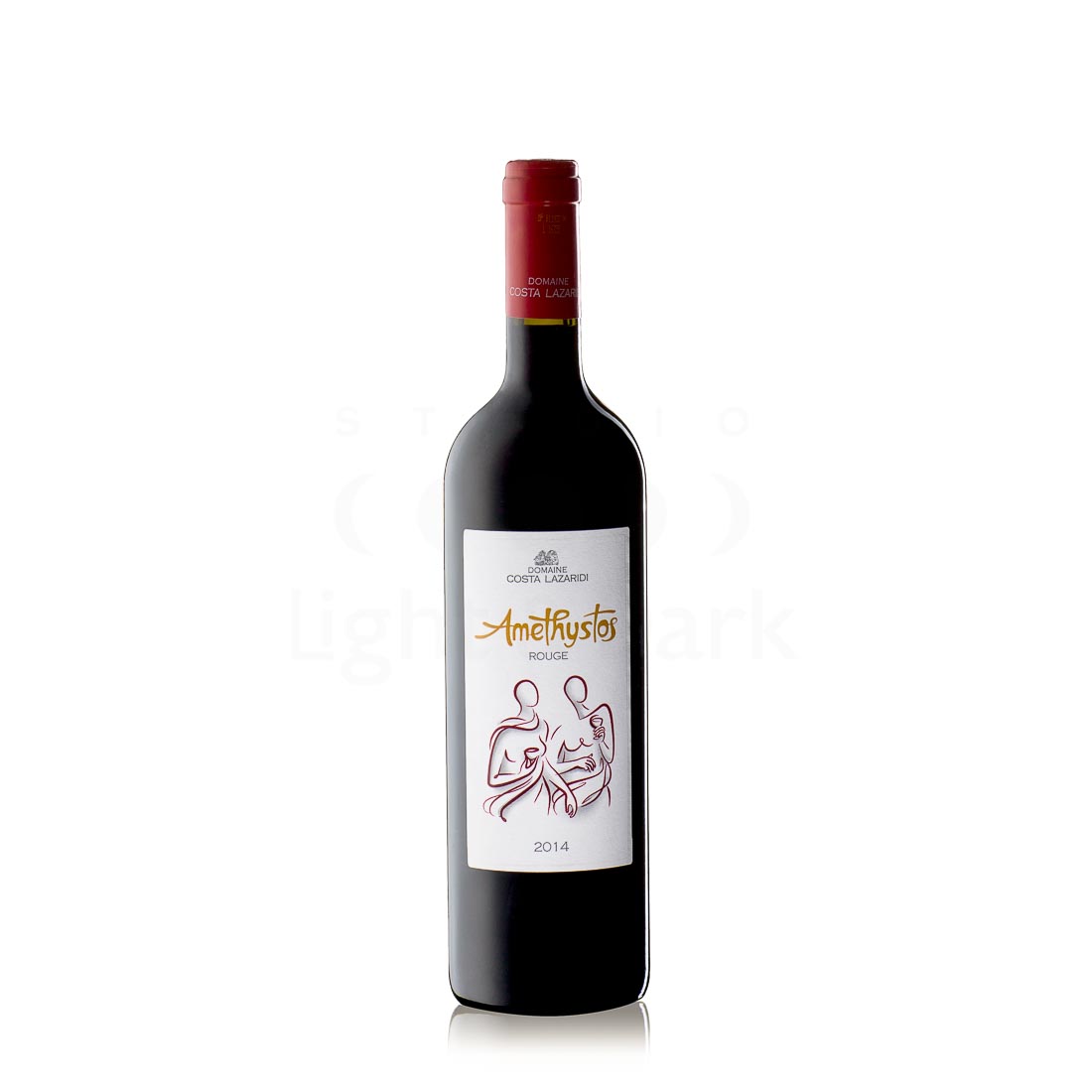
Preparing Wine Bottles for Photography
Preparation starts with the physical bottle. The front label should be applied evenly and should be free from visible scratches or damage. Foil and closures should also be clean and undamaged. The glass needs to be free from fingerprints, dust and visible defects.
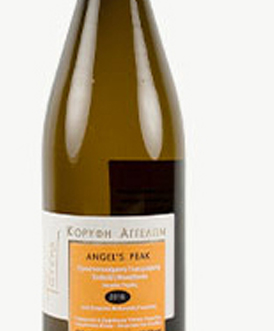
For white and rosé wines, the rear label may be visible through the bottle. If it interferes with the final image, it may need to be removed or handled during production.
Lighting for Wine Photography
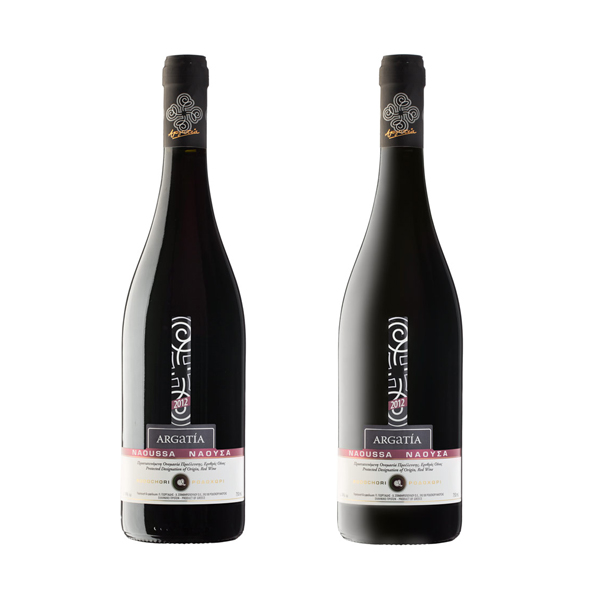
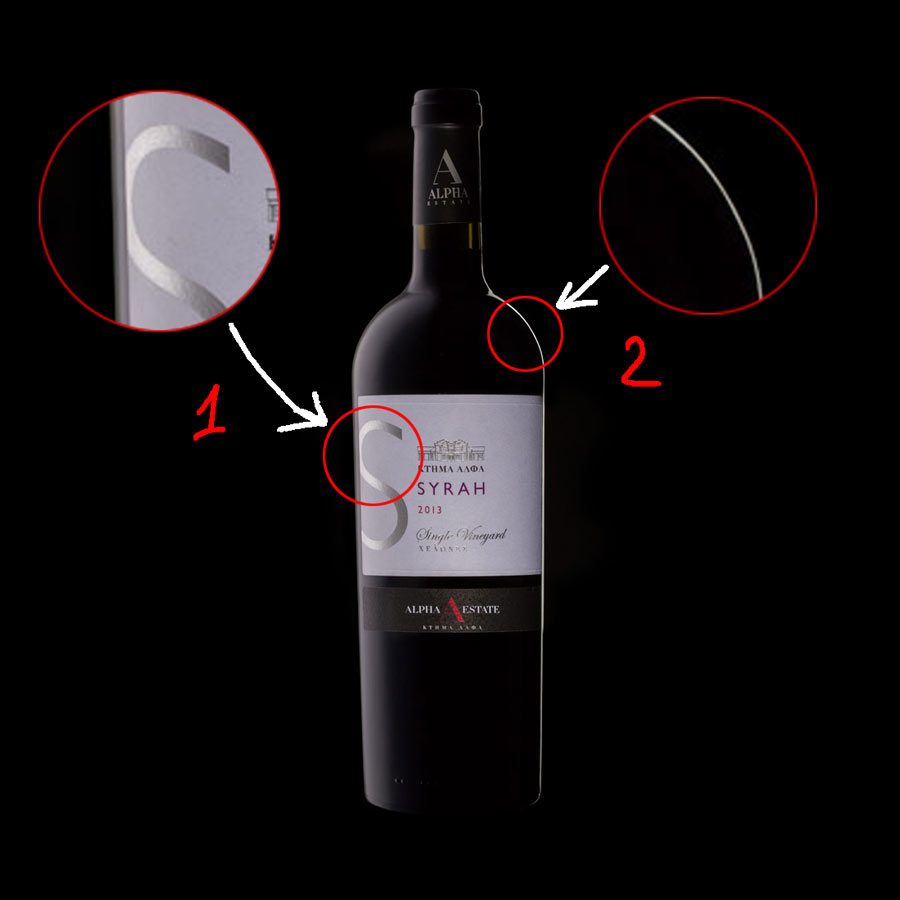
Lighting is one of the clearest differences between a casual bottle photograph and a professional result. The reflections should support the shape of the bottle rather than appear as isolated bright patches. The label must remain readable, while metallic lettering, foil and logos should retain their reflective character instead of turning flat white, grey or yellow.
Example 1
Example 2
Post-production for Wine Images
Post-production is used to correct remaining small defects in the label or foil, refine reflections where necessary, remove distracting reflected objects and maintain accurate colour. Colour control is particularly important for the wine itself: rosé should remain rosé rather than shifting towards orange or beige.
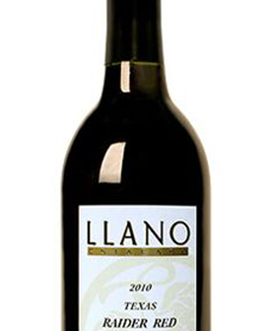
The following examples illustrate common technical problems.
Example 3
Example 4
Example 5
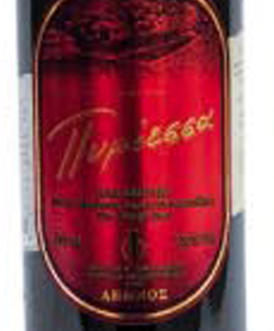
Example 6
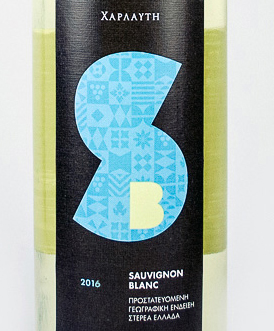
Example 7
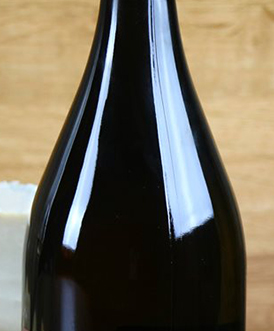
Planning a Professional Wine Shoot
Before production, define the number of bottles, required views, background, label orientation and final file specifications. This makes it easier to build a consistent lighting setup for the whole range.
See our wine photography service, pricing, or request a quotation.
SEE ALSO: 4 basic rules for a B2B business.
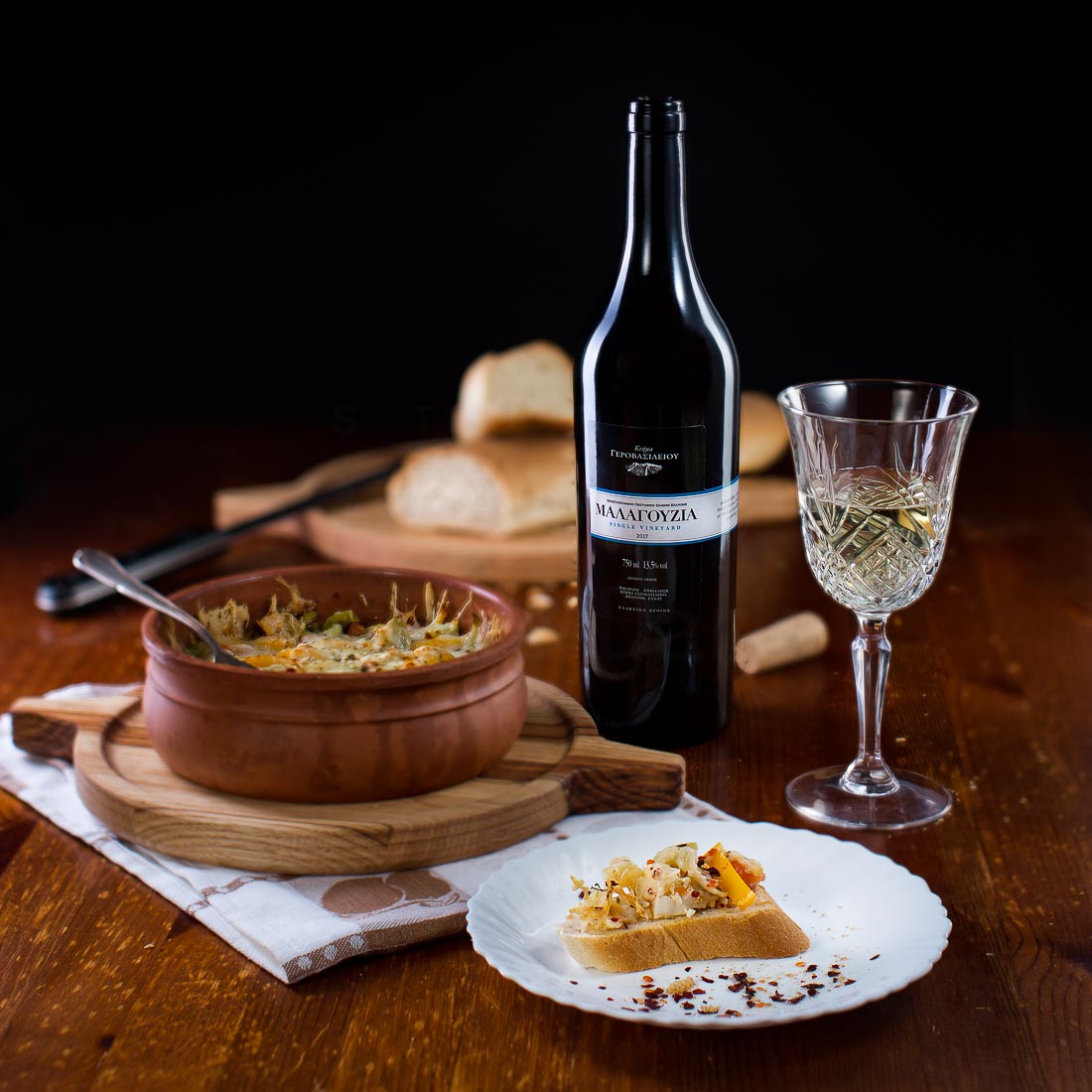
For more examples and recent work: