

Every year we hear about “new trends” in product photography. In 2026, however, the shift is more substantial: artificial intelligence, vertical video and increasingly strict marketplace requirements are changing what counts as a “correct” product image for an e-shop. Below, we separate what really matters from what simply sounds impressive.
1. Realism instead of over-editing
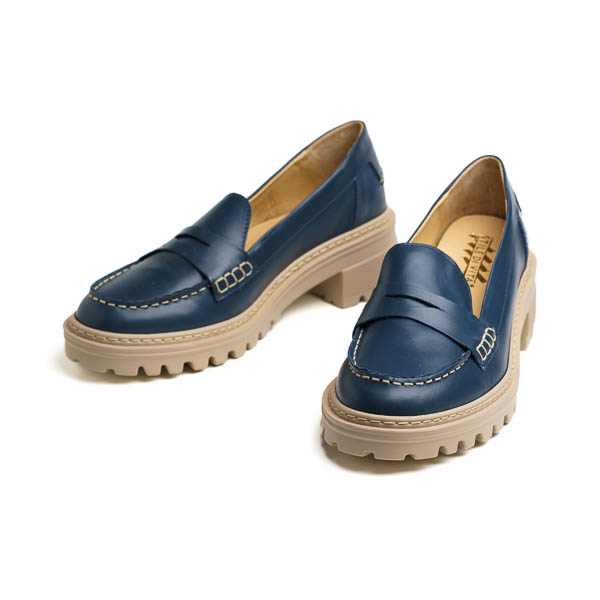
Heavy-handed editing has had its day. Today’s buyer wants to see the product as it really is – the right colour, texture and scale. Images that look “too perfect” but do not match what arrives can lead to returns and negative reviews. The goal in 2026 is accuracy: a clean, bright and honest image.
What is changing:
- In product photography in 2026, retouching should be high quality and practically invisible. This produces a more natural result, without a “plastic” appearance or an exaggerated 3D look.
- Natural shadows
- Accurate colours and textures
- Proportions that look authentic
Why it matters:
Consumers have become more cautious. They want images that do not mislead them, help reduce returns and build trust – especially for clothing, cosmetics and premium products.
👉 A professional result without exaggeration.
2. Lifestyle photography, but more authentic
Lifestyle shoots remain important, but they are becoming more natural.
What dominates in 2026:
- Real locations, not only studios
- Relaxed poses
- Different body types and ages
Examples: - Clothing in motion is a key element
- in clothing photography for e-commerce, rather than “frozen” poses
- Food on a normal table, not a perfect set
- Home products in spaces that feel lived-in
👉 Customers want to be able to imagine themselves in the image.

3. Product video: no longer a “nice to have”
Static images alone are no longer enough.
What works in 2026:
• 5-15 second videos for product pages
• Vertical videos for social media (Reels, Shorts, TikTok) and ads
• Simple movement: rotation, use, opening
• Video designed to work without sound
👉 If a product is important, it should have at least one short video.
4. 360° views: from extra feature to standard
360° product photography is no longer considered a luxury.
Why more businesses are using it:
• Users can explore the product
• They spend more time on the page
• Fewer disappointments after purchase
• Greater confidence when buying higher-priced products
Ideal for:
• Shoes
• Bags
• Jewellery
• Electronics
• Small furniture items, such as chairs – large furniture is more difficult to photograph in 360°
👉 When customers want detail, 360° makes a major difference.
5. Virtual try-on: from “wow” feature to practical need
Virtual try-on looked experimental until recently. In 2026, it is becoming a practical sales tool.
Categories making the most use of it include:
• Clothing and accessories
• Glasses and jewellery
• Cosmetics
• Shoes
It can also be applied to almost anything worn or placed in a space, including fabrics, blankets, throws and interior objects.
With AI and AR, customers can:
• Try products digitally
• Compare options
• See how a product looks on them or in their home
• Buy with greater confidence
👉 It reduces the gap between online and physical retail.
6. AI in product photography in 2026 - but not without people
Artificial intelligence helps, but it does not replace people.
In practice, it is used for:
• Backgrounds
• Faster retouching
• Image variations
• Consistency across large catalogues
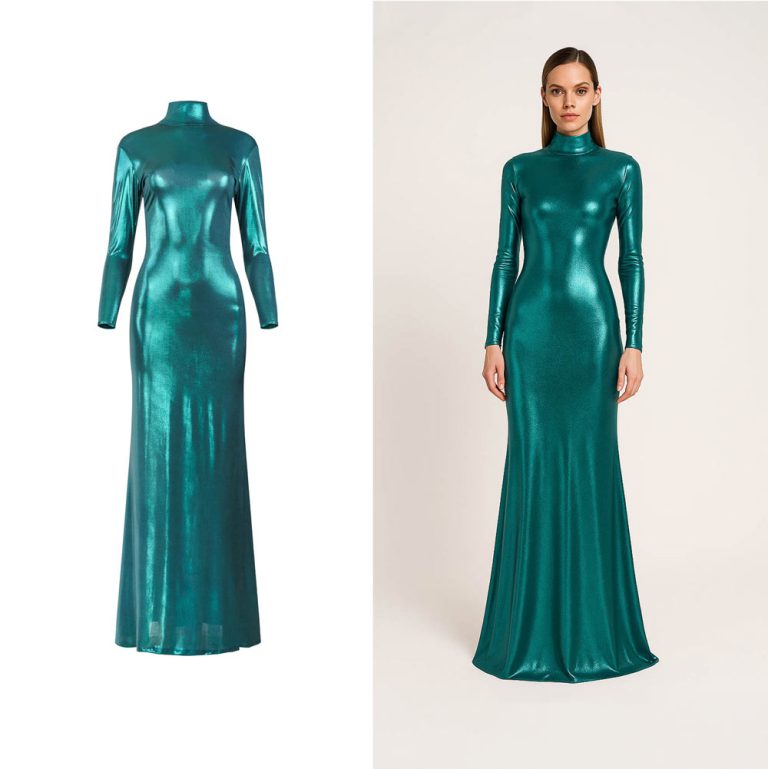
All of these can be improved significantly with AI, but good results still require human direction and strong source files.
Research in 2026 indicates that around 2 in 3 consumers expect brands to disclose when an image has been created or modified using AI. The rule we follow is simple: the product image remains truthful; AI improves the presentation without changing the product. Read more about AI-generated content and retouching & AI.
👉 AI is a powerful tool, but good results still require good source photography.

7. Marketplace requirements: what they expect in 2026
If you sell on marketplaces such as Skroutz, product images must meet specific standards. Otherwise, a listing may be rejected or perform poorly.
Typical requirements include:
• a white or neutral background
• a minimum resolution, for example 1000px
• no logos or watermarks on the main image
• support for multiple supplementary images per product.
👉 See our detailed guide to product images for Skroutz.gr and our guide to product photography on a white background.

8. Visual consistency everywhere
In 2026, brands place strong emphasis on visual consistency:
- The same lighting style
- Similar backgrounds
- Content adapted for e-commerce, social media and ads
👉 It is not only about perfect images – it is also about having the right system.

Product photography in 2026 is becoming more honest, more functional and closer to the real buyer. This is not about attention-grabbing trends, but about clear presentation, a better experience and images that make purchase decisions easier.
If visual content has remained unchanged for years, it usually needs to be reviewed.
Putting it into practice
Putting all of the above into practice requires working with a studio that understands the complete product photography workflow.
Light and Dark Studio can support the process from preparation through to final visual assets for e-commerce, social media and advertising.
Each project starts with its real requirements and leads to specific, practical solutions.
For more examples and recent work: